A Gentle Tech Detox for Overstimulated Minds
Jul 11, 2026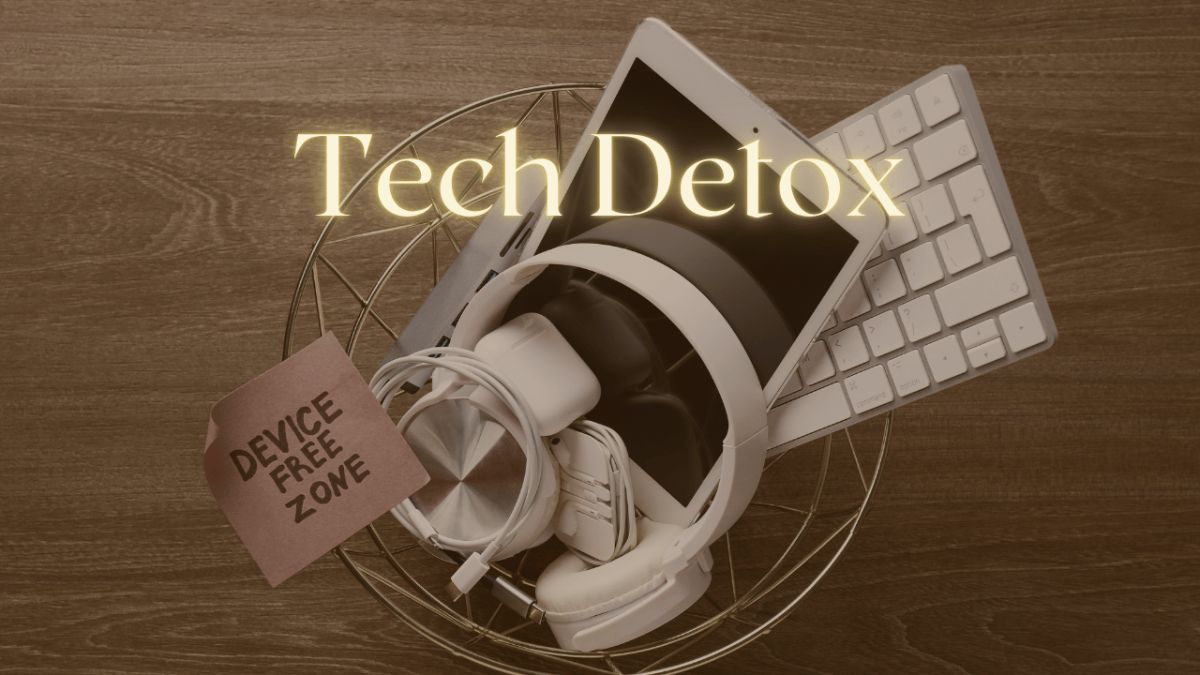
A gentle tech detox is not about giving up your devices, it is about reducing the constant stream of screen input that overstimulates a sensitive nervous system, so your mind can finally quiet. For highly sensitive people, screens deliver a relentless flood of information, emotion, and light, and small, kind boundaries around them can noticeably lift your baseline calm. This is a no-pressure approach, gentleness over willpower.
Why do screens overwhelm highly sensitive people?
Devices deliver endless input, notifications, news, messages, images, all of which your system processes deeply. There is no natural stopping point, so you keep absorbing until you are wired and depleted. Blue light and constant stimulation also keep the nervous system switched on, which is why so many sensitive people feel jangly after a stretch of screen time. If the hardest part is the feed itself, the room you never quite leave, why social media drains highly sensitive people goes further and offers a gentler way than leaving altogether.
What does a gentle tech detox look like?
Not deprivation, just less, with intention:
- Create screen-free bookends: no phone for the first and last thirty minutes of your day.
- Turn off non-essential notifications, so your device pings less.
- Take a real break, an hour, an evening, a Sunday, and notice how you feel.
- Keep one space, a meal, a walk, screen-free by default.
The goal is not zero. It is enough space for your system to settle.
How do you handle the pull to check constantly?
The urge to reach for the phone is strong, and it often flares when you feel anxious or overstimulated, exactly when more input hurts most. When you notice the pull, pause and ask what you actually need. Often it is rest, quiet, or connection, not more scrolling. Meeting the real need is kinder than feeding the reflex. If it helps to have something gentle to reach for instead of the scroll, the 10 Minute Meditations Collection offers short guided audios that let your eyes rest while your mind settles.
How do you make it stick without pressure?
Start small and let the benefit convince you. Choose one boundary, keep it for a week, and notice your calm, sleep, and mood. Sensitive people often feel the difference quickly, which makes the habit want to continue. This is not another rule to fail, it is an experiment in feeling better. See evening routines for sensitive people.
If screen use has become compulsive or is deepening anxiety or low mood, be gentle with yourself and consider reaching out for support.
Frequently asked questions
Why do I feel worse after being on my phone?
Because screens flood a sensitive system with input, emotion, and light. You absorb it deeply, which leaves you wired and depleted.
Do I have to quit technology to feel calmer?
No. A gentle reduction, screen-free bookends, fewer notifications, real breaks, is usually enough to lift your baseline calm.
How do I stop checking my phone constantly?
Notice the urge, pause, and ask what you actually need. Often it is rest or quiet, not more input. Meeting that need eases the reflex.
A gentle close
You are allowed to give your senses a rest. A little less screen, chosen with kindness rather than force, can quiet an overstimulated mind and return some of your calm, one small boundary at a time.
If the noise of the digital world gets loud, my workbook Quieting the Noise is a soft place to come back to what is actually yours.
Satine is the founder of The Ritualist Method, a gentle framework of breath, reflection, and daily ritual created for highly sensitive people. A yoga instructor since 2010, she brings more than fifteen years of guiding the body toward steadiness, along with her own seasons of moving through overwhelm, to help sensitive souls return to their own rhythm. She writes not as an expert above, but as a Light Keeper who found her own way home.