Menopause and Sensitivity: Why You May Feel Everything More
Jul 11, 2026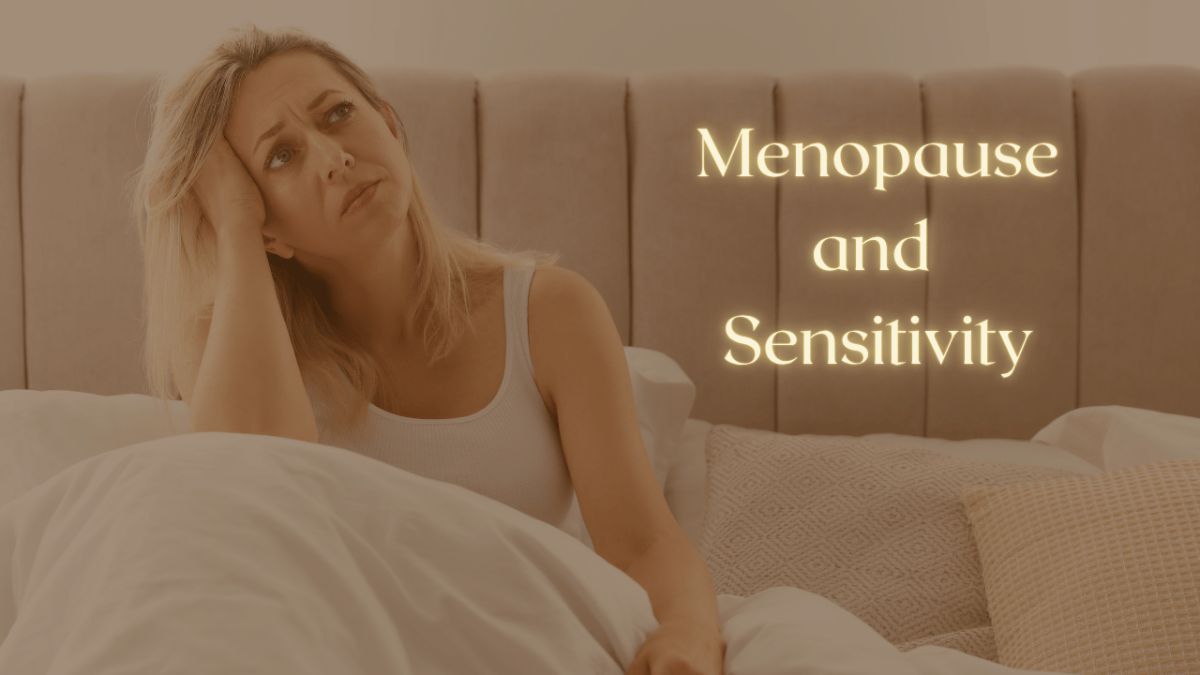
During perimenopause and menopause, many women notice they feel everything more, more overwhelmed, more tearful, more easily flooded, with less tolerance for noise and demands than before. This is real, and it makes sense: shifting hormones directly affect the nervous system, which can amplify sensitivity, especially for those who were already highly sensitive.
If you have always been sensitive and now feel turned up to a volume you cannot manage, you are not imagining it, and you are not losing yourself. This guide explains why sensitivity can rise in this season, what it tends to feel like, how to support your nervous system gently, and the important point about getting proper medical care.
In this guide
- Why sensitivity can rise in menopause
- How it tends to feel
- Gentle ways to support your nervous system
- An important note on medical care
- Frequently asked questions
Why sensitivity can rise in menopause
Estrogen and progesterone do far more than govern reproduction, they influence mood, sleep, stress resilience, and how your nervous system handles input. As these hormones fluctuate and decline through perimenopause and menopause, your system can become more reactive.
In practice, that means smaller things tip you into overwhelm, your sleep is lighter and less restorative, and your overall capacity to absorb input shrinks. If you were already highly sensitive, this can feel like your familiar sensitivity turned up loud, the same wiring, now with less of the hormonal buffering that used to help you cope.
How it tends to feel
- Overwhelm arriving faster, and from smaller triggers than before
- More tearfulness, irritability, or unexpected anxiety
- Lower tolerance for noise, crowds, and busyness
- Sleep that no longer restores you the way it once did
- Feeling "thinner-skinned," as though your usual coping has worn away
- Difficulty with focus or a foggy, stretched feeling
None of this means you are doing anything wrong or failing to cope. Your body is moving through a profound hormonal transition, and your nervous system is responding to real change.
Gentle ways to support your nervous system
The same gentle principles that help all sensitive people matter even more in this season, with extra tenderness.
- Lower your input load. You may need more quiet, rest, and white space than you did before. Honor that, it is not regression, it is responsiveness to change.
- Lean on small, repeatable rituals that signal safety to a more reactive system. See what rituals are and why they work.
- Protect sleep with a calm, screen-free wind-down, see evening routines for sensitive people.
- Use grounding and regulation when overwhelm or anxiety spikes, see grounding techniques, or reach for my Express Grounding audio, which takes three minutes and costs nothing.
- Be especially gentle with yourself. This season asks for more compassion, not more pushing.
Many women in this season describe a particular kind of mental noise, a mind that will not stop, a tearfulness that arrives without a reason, a sense of carrying everyone's weather as well as their own. If that is familiar, my workbook Quieting the Noise is a gentle place to set it down, with pages that help you tell what is truly yours from what you have absorbed.
Going through this season alongside others who understand makes it far less lonely. The Ritualist Circle is a quiet community of sensitive people, including many in this exact transition, for $12 a month.
An important note on medical care
Menopause is a significant medical transition, and symptoms like severe mood changes, anxiety, sleep loss, or anything that disrupts your life deserve real medical support. Please talk with your doctor about what you are experiencing, there are effective options, and you do not have to simply endure it.
Gentle rituals and nervous-system care are a beautiful companion to good medical care, never a replacement for it. Honoring your sensitivity and seeking proper treatment go hand in hand; you deserve both.
Frequently asked questions
Can menopause make you more sensitive?
Yes. Declining and fluctuating estrogen and progesterone affect mood, sleep, and how the nervous system handles input, which can heighten sensitivity and overwhelm, especially for those already highly sensitive.
Why do I feel more emotional during perimenopause?
Hormonal shifts influence the brain's emotional regulation and stress resilience, so feelings can arrive more strongly and unexpectedly. Combined with disrupted sleep, this often increases tearfulness and irritability.
Is increased sensitivity in menopause normal?
Yes, it is common. Many women report feeling "thinner-skinned," more easily overwhelmed, and less tolerant of noise and demands. It reflects real hormonal and nervous-system changes, not a personal failing.
Why do I get overwhelmed more easily now?
Hormonal changes can lower your nervous system's buffering capacity, so the same input overwhelms you faster. If you were already sensitive, it can feel like your sensitivity has been turned up.
Does menopause affect highly sensitive people more?
It can feel more intense, because an already responsive nervous system has less hormonal buffering to soften the changes. The underlying wiring is the same; the cushioning that helped you cope has thinned.
Why is my sleep worse during menopause?
Hormonal shifts commonly disrupt sleep, and poorer sleep further lowers your capacity to handle input, amplifying sensitivity and overwhelm. Protecting your wind-down and sleep environment becomes especially important.
How can I calm my nervous system during menopause?
Lower your input load, lean on small daily rituals, protect sleep with a gentle wind-down, and use grounding when overwhelm spikes. Extra rest and self-compassion help a more reactive system settle.
Can menopause cause anxiety?
Yes, hormonal changes can contribute to new or increased anxiety for many women. Gentle nervous-system care helps, and persistent or severe anxiety is worth discussing with your doctor.
Will my sensitivity go back to normal after menopause?
Experiences vary. For many, the intensity eases once hormones stabilize post-menopause, though your baseline sensitivity, a lifelong trait, remains. Supportive practices and medical care can ease the transition.
What helps with menopausal overwhelm day to day?
Reduce stimulation, build in more rest and quiet, keep predictable rituals, and be gentle with your pace. Treating this season as one that needs more support, not more pushing, makes a real difference.
Is it normal to feel like I'm losing myself?
Many women feel this, and it is understandable amid big change, but you are not losing yourself, you are moving through a threshold. With support, you can feel steady again on the other side.
Can rituals help with menopause symptoms?
Rituals will not change your hormones, but they can soothe a more reactive nervous system, support sleep, and ease overwhelm and anxiety. They are a gentle companion to medical care, not a cure.
Should I see a doctor about menopause and mood?
Yes, if mood changes, anxiety, or sleep problems are significant or disrupting your life. Effective medical options exist, and you do not have to simply endure these symptoms.
Does stress make menopausal sensitivity worse?
It can. Stress further narrows an already reduced capacity, so overwhelm comes faster. Reducing stress and load, and prioritizing recovery, helps protect a more reactive nervous system.
Is this harder at work?
Often, yes. The open-plan noise, the meetings, the feedback that suddenly stings, all of it lands harder when your buffering has thinned, and most workplaces are not built with this season in mind. My workbook Soft Power at Work holds scripts and rituals for exactly those hours, and how to thrive at work as a highly sensitive person is a gentle place to start.
How do I be kinder to myself during this transition?
Lower your expectations of yourself, rest without guilt, reduce input, and treat your increased sensitivity as information about what you need, not a flaw. Self-compassion is genuinely regulating in this season.
A gentle closing
You are not losing yourself. You are moving through a tender, powerful threshold, and you deserve to move through it gently, with support for your nervous system and proper care for your body. Feeling everything more is not weakness; it is your system asking, clearly, for more tenderness.
Want gentle support through this season? Discover your archetype to find practices that fit you, or step into The Ritualist Circle, alongside others moving through it too.
About the author
Satine is the founder of The Ritualist Method, a gentle, sensory framework of breath, reflection, and daily ritual created for highly sensitive people. A yoga instructor since 2010, she brings more than fifteen years of guiding the body toward steadiness, along with her own seasons of moving through overwhelm, to help sensitive souls feel calmer in the body and return to their own rhythm. She writes and guides not as an expert standing above, but as a Light Keeper who found her own way home.