Emotional Hangovers: Why You Feel Wrecked the Day After
Aug 11, 2026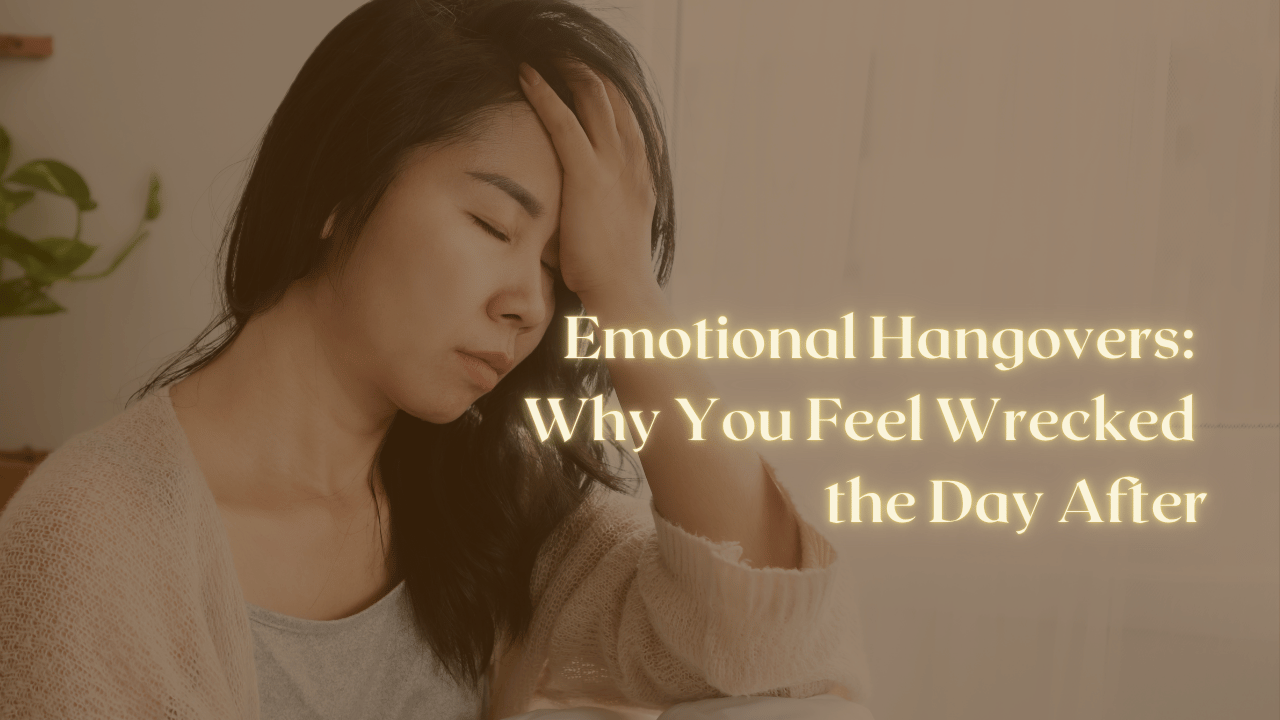
An emotional hangover is the wrung-out, foggy, tender feeling that lingers the day after something emotionally intense, a big conversation, a conflict, a crowded event, even a joyful one. Highly sensitive people get them often, because your system keeps processing an experience long after it ends. This is not fragility. It is the natural cost of feeling something fully, and it eases with rest and gentleness.
I have come to think of it as the body's invoice. The hard conversation or the loud celebration feels finished when it ends, but the quiet option, the absorbing, the holding it together, sends its bill later, and the emotional hangover is what it looks like when the invoice arrives. Mine tend to land the morning after I was "fine."
What is an emotional hangover?
It is the aftermath of intensity: heightened emotion, mental fog, fatigue, and a raw, thin-skinned feeling that shows up hours or a day later. Like a hangover from drinking, it is your system recovering from something it took in deeply, except here the intake was emotional and sensory, not chemical.
Why do highly sensitive people get emotional hangovers?
Because you process experiences more deeply and for longer. A charged interaction does not simply end when it ends, your system keeps digesting it, sorting the feelings, replaying the moments. That extended processing is tiring, so the next day you feel depleted, even when nothing new has happened.
What triggers them most?
For sensitive people, common triggers include conflict or hard conversations, big social events, emotionally heavy content, overstimulating environments, and even very positive intensity like celebrations or deep connection. Anything that asks your system to feel a lot at once can leave a hangover behind, and an ordinary demanding workday can do it too; how to recover after a hard day at work covers that version.
How do you recover from an emotional hangover?
Treat it like recovery from real exertion, because that is what it is:
- Lower the demands on the day after, and expect less of yourself.
- Rest, hydrate, and seek quiet and solitude to let your system settle.
- Ground yourself gently, feet on the floor, slow breaths, time in nature.
- Be kind to your tender state instead of pushing through it.
Naming it as an emotional hangover, rather than "what is wrong with me today," softens the self-judgment that so often makes it worse. And if the intensity peaked as tears or overwhelm in the moment, how to calm down after an emotional flood covers the acute hour; this page is for the morning after. For the fuller toolkit, see how to calm an overstimulated nervous system.
If what lingers is less like tiredness and more like vigilance, tension and scanning that stay for weeks after a hard situation ended, that is a different animal: emotional residue, and why you still feel it after it's over. And if the depleted, low feeling lingers well beyond a day or becomes a frequent heaviness, be gentle with yourself and consider support from a professional you trust.
Frequently asked questions
What causes an emotional hangover?
Intense or prolonged emotional and sensory experience. For sensitive people, the system keeps processing it afterward, leaving fatigue and fog the next day.
How long does an emotional hangover last?
Often a day, sometimes a little more after something very intense. Rest, quiet, and gentleness help it pass more quickly.
Is it normal to feel wrecked after socializing?
Yes, for highly sensitive people it is common. Even enjoyable socializing involves a lot of input, which can leave an emotional hangover behind.
A gentle close
Feeling wrecked the day after is not weakness, it is the receipt for feeling something fully. Plan for the recovery the way you would after any real effort, and be tender with your tired, tender self.
For a guided practice to help you settle after intensity, my Gentle Return Ritual is ten quiet minutes of coming home to yourself.
Satine is the founder of The Ritualist Method, a gentle framework of breath, reflection, and daily ritual created for highly sensitive people. A yoga instructor since 2010, she brings more than fifteen years of guiding the body toward steadiness, along with her own seasons of moving through overwhelm, to help sensitive souls return to their own rhythm. She writes not as an expert above, but as a Light Keeper who found her own way home.