How to Set Boundaries as a Highly Sensitive Person (Without Guilt)
Jun 25, 2026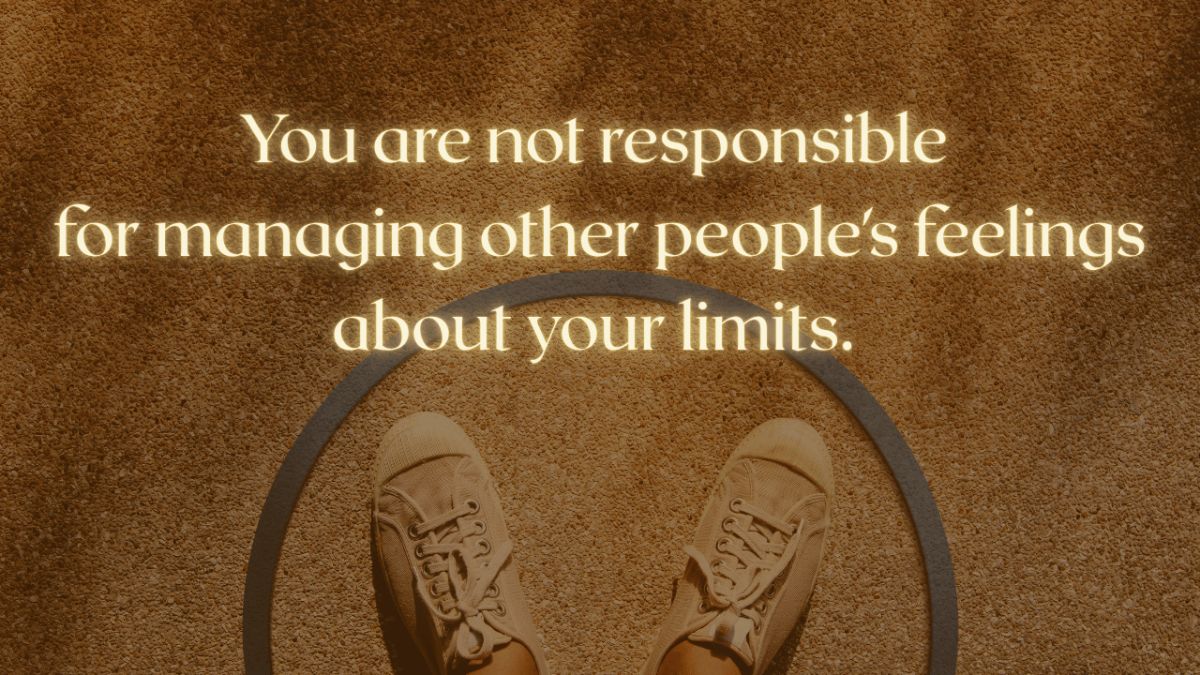
Setting boundaries as a highly sensitive person starts with one reframe: protecting your energy is not selfish, it is how you stay regulated enough to show up well for the people and the work you care about. Boundaries are not walls that keep love out; they are the structure that lets your sensitivity remain sustainable.
For sensitive people, though, boundaries can feel almost impossible, because you feel other people's disappointment as keenly as your own. This guide explains why boundaries are so hard for HSPs, the reframe that makes them possible, exactly what to say, and how to handle the guilt that often follows.
In this guide
- Why boundaries are so hard for sensitive people
- The reframe that makes boundaries possible
- The boundaries sensitive people need most
- What to actually say
- Handling the guilt
- Frequently asked questions
Why boundaries are so hard for sensitive people
Sensitive people absorb others' emotions, so saying no can feel like causing pain you will then feel yourself. There is no clean exit; the other person's disappointment lands in your own body.
Many sensitive people also learned early that keeping the peace was safer than having needs, so the nervous system now reads "boundary" as "danger." Add deep empathy and a dislike of conflict, and you have a system that says yes long after its real capacity is gone, then quietly resents it or burns out. None of this is weakness; it is a predictable result of feeling everything so strongly.
The reframe that makes boundaries possible
Here is the shift: you are not responsible for managing other people's feelings about your limits. You are responsible for staying regulated enough to be kind, present, and well.
A boundary is not a rejection of the other person; it is protection of the very sensitivity that makes you so caring. Every yes you cannot sustain costs you something, and eventually costs them too, because a depleted, resentful, or burnt-out you cannot show up the way you want to. Seen this way, boundaries are an act of care in both directions.
The boundaries sensitive people need most
- Energy boundaries: protecting recovery time, leaving events early, limiting back-to-back social plans.
- Emotional boundaries: not taking on others' feelings as your responsibility to fix.
- Time boundaries: not saying yes immediately; allowing yourself to consider before committing.
- Sensory boundaries: asking for lower volume, dimmer light, or a quieter space when you can.
- Digital boundaries: limiting constant availability and notifications that keep your system switched on.
You do not need all of these at once. Notice where you most often feel depleted or resentful, that is where a boundary is waiting to be set.
What to actually say
Boundaries do not require long justifications. In fact, over-explaining often invites negotiation. Try:
- "I would love to, and I do not have the capacity right now."
- "I need a quiet night to recharge. Can we find another time?"
- "Let me think about it and come back to you." (You are allowed to pause.)
- "That does not work for me, but here is what could."
- "I care about you, and I need some space this week."
Notice that none of these are unkind. "No" said warmly is still a complete sentence. You can hold both your care for the person and your limit at the same time.
Practicing boundaries is far easier with support from people who understand. The Ritualist Circle is a quiet community of sensitive people learning exactly this, for $12 a month.
Handling the guilt
Guilt almost always follows early boundaries, and it does not mean you did something wrong. For sensitive people, guilt is usually just the discomfort of doing something unfamiliar, plus an old belief that your needs are too much. Let the guilt be present without obeying it.
Over time, as your nervous system gathers evidence that boundaries keep you safe rather than abandoned, the guilt softens. Meeting that guilt with self-compassion rather than self-criticism speeds the process, and understanding your archetype can show you where you most tend to over-give.
To see where your particular pattern leaks energy, you can take the free archetype quiz.
Frequently asked questions
Why is it so hard for highly sensitive people to set boundaries?
Because they absorb others' emotions, so a boundary can feel like causing pain they will then feel themselves. Many also learned that keeping the peace was safer than having needs, which makes boundaries feel unsafe.
Are boundaries selfish?
No. Boundaries protect the energy you need to stay regulated and to keep caring for others. A depleted, resentful you cannot show up well, so boundaries are an act of care in both directions.
How do I say no without feeling guilty?
Keep it short and kind, no long justification, and expect some guilt at first. Guilt usually means you are doing something unfamiliar, not something wrong. It softens as your system learns boundaries keep you safe.
What do I say when I want to set a boundary?
Try simple, warm phrases: "I'd love to, and I don't have capacity right now," or "Let me think about it and come back to you." A warm no is still a complete sentence.
How do I set boundaries without hurting people?
Lead with care and keep it clear: acknowledge the relationship, state your limit simply, and offer an alternative if you can. You cannot control their reaction, but you can be kind and honest.
Why do I feel others' disappointment so strongly?
Sensitive people have heightened empathy and often absorb others' emotions, so disappointment registers in your own body. Naming this helps: their feeling is real, but it is not yours to fix.
What are emotional boundaries?
Emotional boundaries mean not taking on others' feelings as your responsibility to manage or fix. You can care deeply while letting people own their own emotions, which protects you from absorbing everything.
How do I stop over-giving?
Notice where you feel resentful or depleted, that is where a boundary is needed. Pause before saying yes, protect recovery time, and remember that sustainable care requires limits.
Is it okay to leave events early?
Yes. Leaving early is a healthy energy boundary for a sensitive system. Protecting your recovery lets you enjoy what you do attend, rather than pushing past your limit and crashing.
How do I handle pushback on my boundaries?
Stay warm and repeat your limit calmly without over-explaining; over-justifying invites negotiation. People who care will adjust. Persistent pushback is information about the relationship, not a reason to abandon your needs.
Why do I feel guilty even when my boundary is reasonable?
Guilt is often just the discomfort of an unfamiliar action, plus an old belief that your needs are too much. It is a feeling, not a verdict. You can feel it and hold your boundary anyway.
Can boundaries improve my relationships?
Yes. Clear, kind boundaries reduce resentment and burnout, so you show up warmer and more present. Healthy relationships are built on honesty about needs, not on endless self-sacrifice.
What if I was raised to always put others first?
Then boundaries will feel especially unfamiliar at first, and that is understandable. Start small, expect guilt, and let each kept boundary teach your nervous system that having needs is safe.
Do I need to explain my boundaries?
Usually not. A brief, kind statement is enough; long explanations often invite debate. "That doesn't work for me" is a complete and respectful answer.
How can I make setting boundaries easier?
Practice small ones first, prepare a few go-to phrases, meet your guilt with self-compassion, and lean on supportive community. Knowing your archetype also reveals where you most tend to over-give.
A gentle closing
Protecting your energy is not a betrayal of your kindness. It is what keeps your kindness sustainable. Each boundary you set, however small, teaches your nervous system that your needs are allowed to exist, and that you can be both caring and whole.
Want support that helps you protect your energy? Discover your archetype, or step into The Ritualist Circle, a quiet community of sensitive people learning to honor their limits together.
About the author
Satine is the founder of The Ritualist Method, a gentle, sensory framework of breath, reflection, and daily ritual created for highly sensitive people. A yoga instructor since 2010, she brings more than fifteen years of guiding the body toward steadiness, along with her own seasons of moving through overwhelm, to help sensitive souls feel calmer in the body and return to their own rhythm. She writes and guides not as an expert standing above, but as a Light Keeper who found her own way home.